
Elephant Ears Recipe


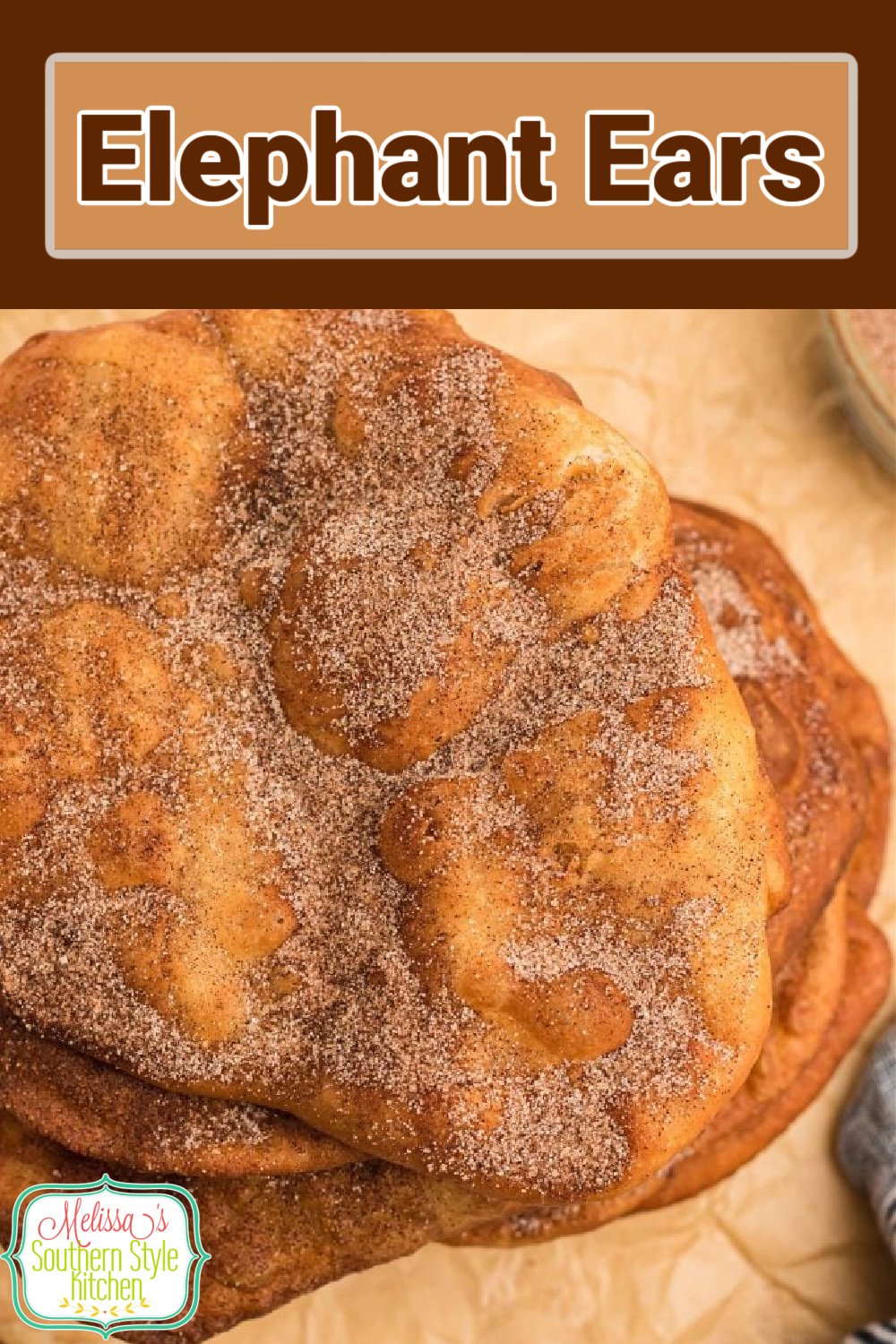

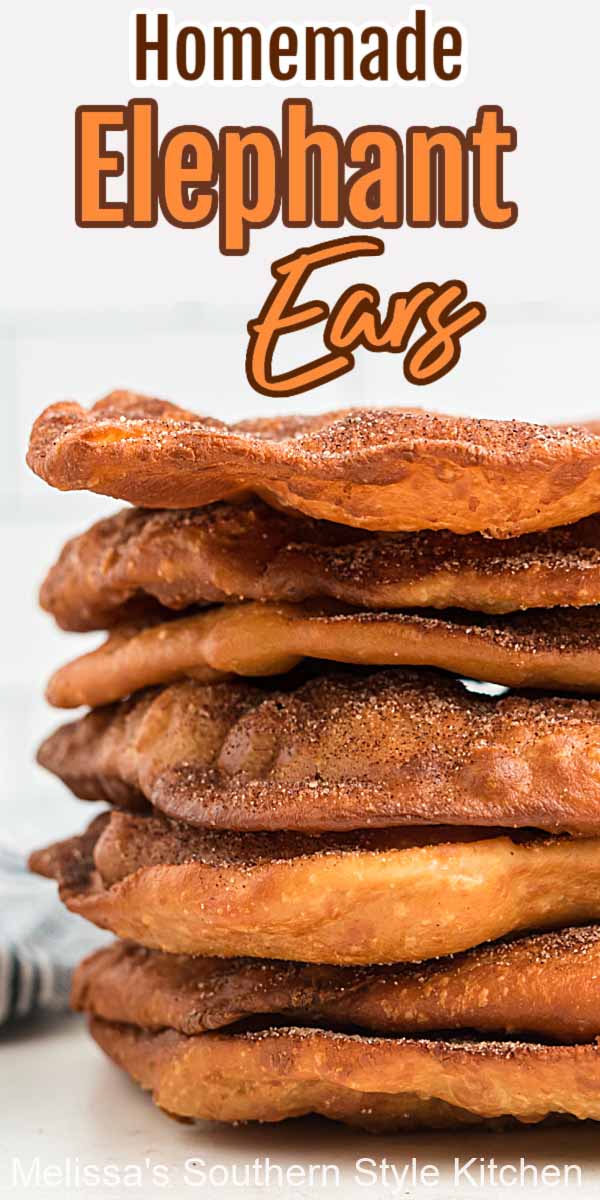

This Elephant Ears Recipe features homemade yeast dough that’s fried, then coated with cinnamon and sugar. They feature a crispy texture with a sweet and spicy taste that makes them impossible to resist!
What are Elephant Ears?
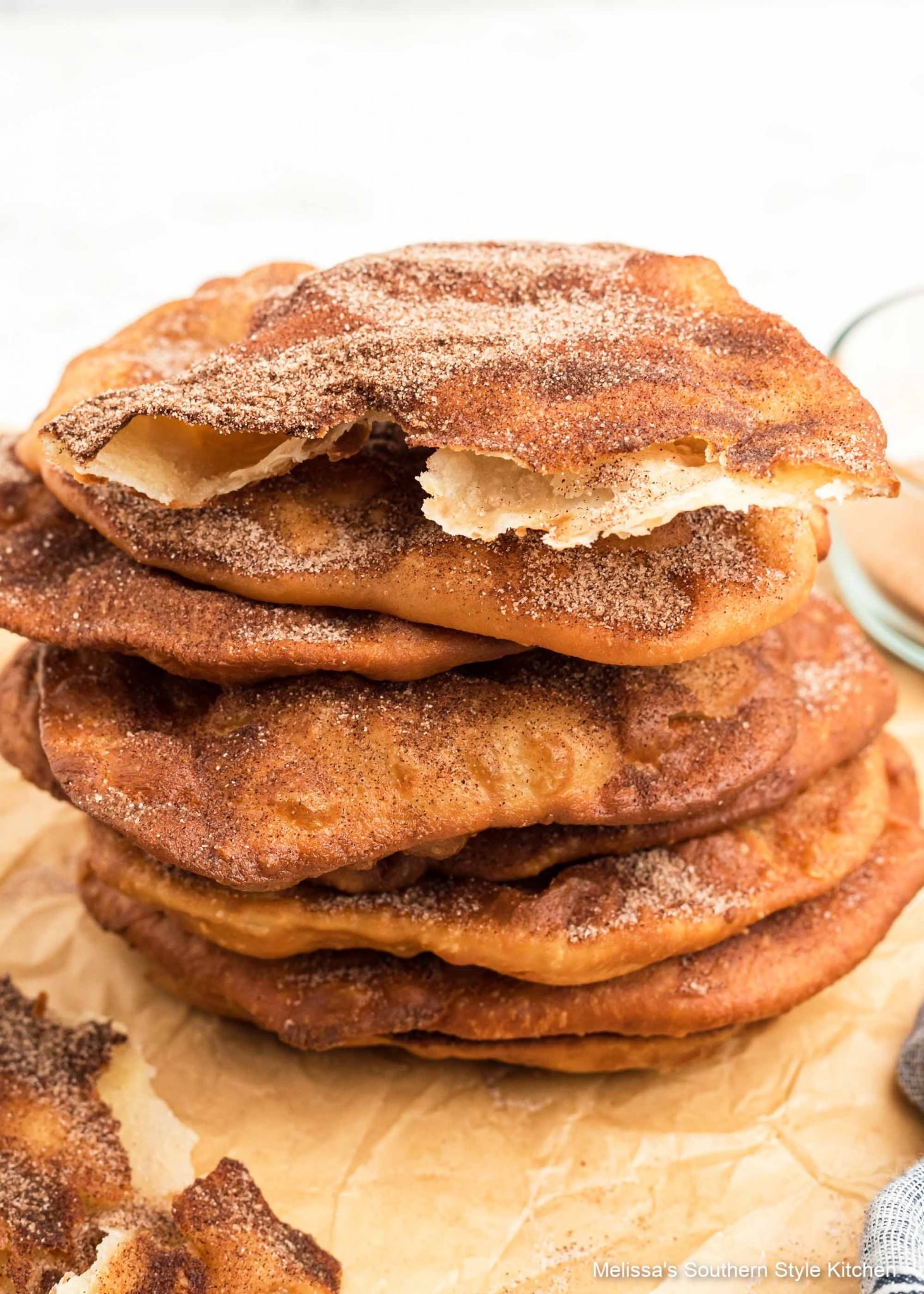
Elephant Ears are a beloved vintage street food dessert, most commonly found at carnivals, fairs, theme parks, and food trucks. These light and airy fried dough pastries are typically coated in cinnamon sugar while still hot and served fresh. They’re named for their large, flat shape resembling, of course, an elephant’s ear. Not to be confused with palmiers or elephant ear cookies made with puff pastry dough.
Over the years, you might have heard them called by other names too, like beaver tails, buñuelos, or even fry bread, depending on where you are or who’s making them. While the dough may vary slightly from recipe to recipe, the concept remains the same: delicious fried dough, crisp on the outside, soft on the inside, and generously dusted with cinnamon sugar. No matter what you call them, one thing’s for sure, they’re downright irresistible.
Ingredients to Make Elephant Ears Recipe
Ingredients to make homemade Elephant Ears Pastry : (Scroll down for full printable recipe card.)
- Flour – 4 cups all purpose flour forms the base of the pastry dough.
- Sugar – Granulated sugar adds sweetness to the dough.
- Leavening – Rapid rise yeast gives lift to the dough.
- Butter – Butter for richness.
- Liquid – Whole milk adds moisture to the dough.
- Salt – Salt balances the flavor.
- Flavoring – Vanilla extract adds creamy floral notes to the dough.
- Cinnamon – Ground cinnamon mixed with granulated sugar to coat the pastry after frying.
- Oil – Vegetable oil, peanut oil or canola oil for frying.

What Kind of Dough is Used for Making Elephant Ears?
These cinnamon sugar-coated pastries are made from deep-fried rounds of sweet, yeast-based dough. While some modern recipes use puff pastry, similar to how you’d make palmiers, this version sticks to the classic, made-from-scratch method that’s been a fairground favorite for generations.
How to Make the Best Homemade Elephant Ears Recipe
- Warm the Milk – In a small saucepan, combine milk, salt, butter and sugar on medium heat. Stir until butter melts and sugar dissolves. Remove from heat, Let cool slightly.
- Bloom the Yeast – Sprinkle yeast on top and let sit until mixture is foamy and yeast has bloomed.
- Combine – Pour yeast mixture into the large bowl of a stand mixer fitted with the dough hook. Add vanilla extract.
- Add the Flour – Mix on low gradually adding the flour until a dough forms.
- Knead the Dough – Once all is added, increase the speed and knead until smooth and dough pulls away from the sides of the bowl.
- Let Dough Rise – Cover bowl with a damp cloth (or plastic wrap) and let rise until doubled.
- Make Cinnamon Sugar – Combine cinnamon and reserved sugar, set aside.
- Heat Oil – In a large pot or large skillet, heat 2-3 inches of oil to 360-365°F. Keep roughly in this range.
- Roll Dough – Pinch or slice balls of dough about the size of an egg. Use a rolling pin to roll into thin sheets.
- Fry the Elephant Ears – Drop dough sheets into the hot oil and fry per the cooking time in the recipe until puffed and golden brown.
- Coat Elephant Ears with Cinnamon Sugar – Drain on paper towels and immediately sprinkle with cinnamon sugar. Serve and enjoy.
Tips for Making Elephant Ears Pastry
- Kitchen Equipment You’ll Need: A small saucepan, measuring cups and spoons, a whisk, large mixing bowl, medium mixing bowl, small bowl, stand mixer or a hand mixer fitted with a dough hook, a Dutch oven fitted with a fry thermometer or a deep fryer and a baking sheet lined with paper towels or parchment paper. You’ll also need a spoon or spatula to stir the cinnamon and sugar for the coating, a rolling pin and a cooling rack. If you don’t have a stand mixer, you can knead the dough on a clean counter by hand.
- Measure the Yeast Accurately: Please note, you’ll need two 1/4 ounce each packets of dry yeast for this recipe.
- Size Effects the Yield: Depending on the size of the dough rounds, you could yield anywhere from 8-12 elephant ears with this recipe. That said, you can also divide the dough according to how many you want to make. If you’re treating a larger group, make them smaller and stretch the servings to accommodate.
- Use Tongs for Turning: Tongs will be your best friend for turning and removing fried dough from the oil safely and avoid splatters.
- Coat with Cinnamon Sugar While Warm: It’s important to dust the pastries with cinnamon sugar immediately after removing from the oil so it will adhere to the surface.
- Serving Suggestions: Serve Elephant Ears coated in cinnamon-sugar. They can also be served with maple syrup, chocolate syrup, caramel sauce or honey either drizzled on top or served on the side for dipping. You can enjoy them with a side of fresh fruit for brunch or breakfast or for dessert.

Recipe Variations and Substitutions
- Rapid Rise Yeast Substitution: You can use active dry yeast in the same amount as rapid rise yeast. It will take longer for the dough to rise.
- Troubleshooting: If you’re working alone and get a bit behind in the cinnamon sugar coating process, you can brush both sides of the pastries lightly with melted butter to help the cinnamon and sugar to adhere.
- Milk: Milk adds moisture and richness to the dough. You could use water, if needed.
Storage and Leftovers
- Leftovers: Elephant Ears are their very best made fresh and eaten while warm. That said, you can store them in an airtight container at room temperature for up to 3-4 days.
- Reheating: Reheat leftovers gently in the microwave in single serving.
- Freezer Tips: You can make the pastry dough in advance and pop it into the refrigerator for up to 5 days or freeze the dough for up to 3 months. Thaw the dough and shape it just before frying.

More Easy Dessert Recipes to Make
Handheld desserts are always on the dessert table at our house, due to the nature of grab-n-go. A few other fun handheld sweet treats you may like to try:
- Make your own warm Glazed Yeast Doughnuts at home.
- Bakery style homemade Chocolate Eclairs filled with homemade pastry cream.
- The always delicious Funnel Cakes with your favorite toppings. You may need a fork for this one.
- For breakfast, brunch or dessert easy Glazed Apple Turnovers.
- New Orleans Style Beignets dusted with copious amounts of powdered sugar. Granted, this one will need a plate.
- You may also enjoy this recipe for Italian donuts called Zeppole from Natasha’s Kitchen.

Thanks for visiting come back soon!
Disclosure ~ If a purchase is made using one of the affiliate links on this website we may earn a small commission at no additional cost to you. Thank you!
Helpful Kitchen Items:

Elephant Ears
Ingredients
- 1 1/2 cup whole milk
- 1 tsp salt
- 8 Tbsp granulated sugar divided
- 6 Tbsp unsalted butter
- 1 tsp pure vanilla extract
- 2 (1/4 oz each) packets rapid rise yeast
- 4 cups all purpose flour
- 2 Tbsp ground cinnamon
- 1 quart vegetable oil, peanut oil or canola oil for frying
Instructions
- Dough: In a small saucepan, combine milk, salt, butter and 2 tablespoons of sugar on medium heat. Heat while stirring until butter melts and sugar dissolves. Remove from heat, Let cool until warm, about 110°F. Sprinkle yeast on top and let sit for 10 minutes until mixture is foamy and yeast has bloomed.
- Pour mixture into the bowl of a stand mixer fitted with the dough hook. Add vanilla. Mix on low gradually adding the flour until a dough forms. Once all is added, increase the speed and knead for 5 minutes, or until smooth and dough pulls away from the sides of the bowl. (Alternately, knead by hand on a lightly floured non-stick surface.)
- Cover bowl with a damp cloth (or plastic wrap) and let rise 45-60 minutes in a warm place, or until it has doubled in size.
- Combine cinnamon and reserved 6 Tbsp of sugar for the coating, set aside.
- Fry: In a large pot or 12-inch deep skillet, heat 2-3 inches of vegetable oil to 360-365°F. Keep roughly in this range.
- Pinch or slice balls of dough about the size of an egg. Roll out on a clean counter into thin sheets using a rolling pin.
- Drop pastry dough into the oil and fry for 1-2 minutes per side or just until puffed and golden brown. (It may take less time depending on the oil temp and thickness)
- Drain on paper towels and immediately sprinkle with the cinnamon-sugar coating. (You can also brush them with melted butter if desired, then sprinkle with cinnamon sugar.)
- Serve and enjoy.
Notes
- Rapid Rise Yeast Substitution: You can use active dry yeast in the same amount as rapid rise yeast. It will take longer for the dough to rise.
- Troubleshooting: If you’re working alone and get a bit behind in the cinnamon sugar coating process, you can brush both sides of the pastry lightly with melted butter to help the cinnamon and sugar to adhere.
- Milk: Milk adds moisture and richness to the dough. You could use water, if needed.
My grandmother would make these with leftover dough when she would make kraut burgers and cinnamon rolls. We call it grebble. Great memory, thank you!
Thank you for sharing your sweet memory!
Can you make them in the Air Fryer?
I haven’t tested it. If you try it let us know how it goes!
Yummy says it all . And easy to do.
A great idea, for doing at home now we don’t have to wait for the local fair to come around.
Thank you for sharing
Hi Rhonda, I’m so happy you enjoyed these, thanks!
This recipe is awesome thank you for posting it!
Thank you so much!
Perfect, there’s nothing like making these at home!
I agree, they’re so fun to make, thanks!
What’s the difference from Native American Fry bread then this? Or is that just another name or version for similar!!
These have been called Elephant Ears for as long as I’ve been eating them, and that’s decades. That said, I’m sure there are many variations that may have other names. The Native American Fry Bread that I’ve had is usually savory but again, that could vary wildly. At the end of the day, does it matter? Whatever people call them they’re delicious.
These are called Beaver tails in Canada. Very popular in the Capital of Ottawa!
Love that name, too!
Looks delicious!!! And that’s a cute name! My family came from Mexico and we call these buñuelos. Absolutely delicious😋😋😋
Thank you! I think bread dough fried and coated in cinnamon and sugar can be found in most cultures by different names. They ALL spell delicious.
I think these would be fun to make while camping but I don’t bring my kitchen aide with me and don’t have a lot of room so I am wondering can you make the dough ahead of time? Maybe freeze it in the rounds then thaw out and use?
Hi Pam, you can make the dough in advance, sure. It freezes as well as any yeast-type bread dough. That’s a fun idea!